One record
Enquiry to invoice, one thread
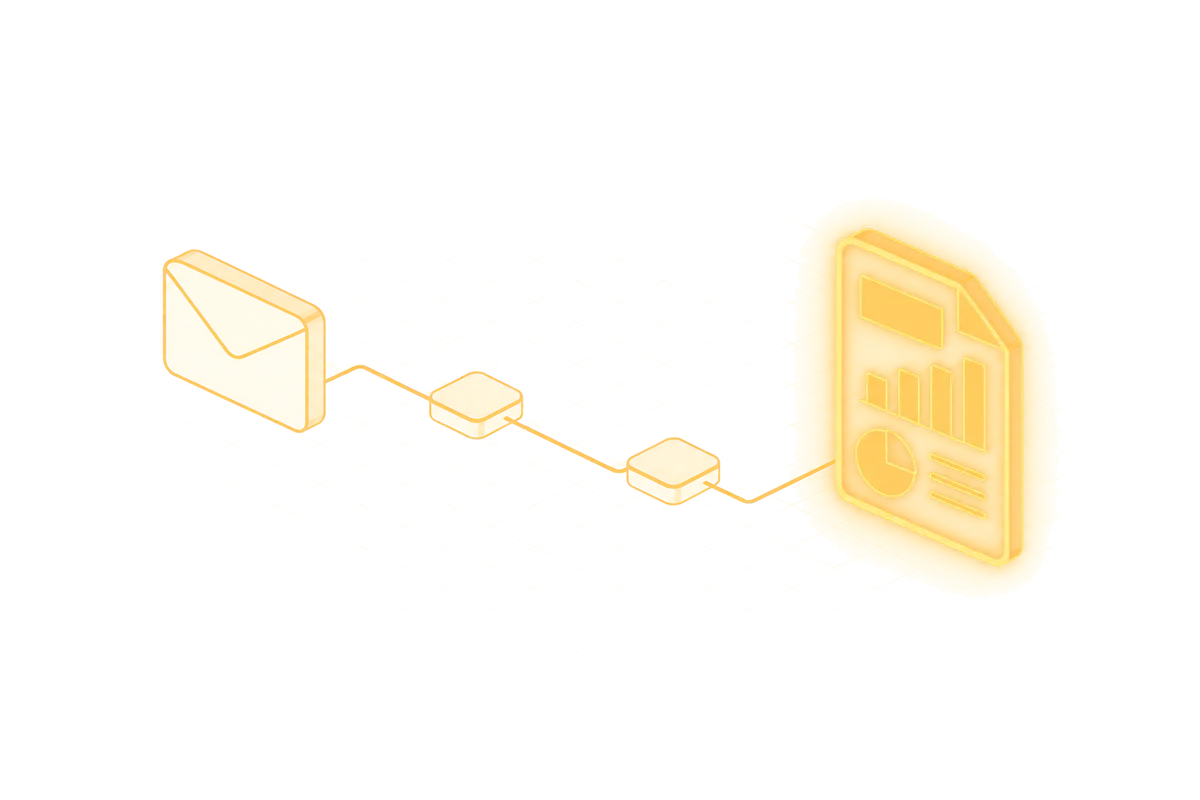
The enquiry becomes the quote, the quote becomes the job, the job becomes the invoice, without anyone re-typing it, with two-way links into the accounts package you already use.
Contractors are where we spend most of our time, but the work looks the same in every sector we have walked into: quotes in one place, jobs in another, the money in a third, and people re-typing between them. If your business runs on enquiries, jobs, people and money, we can build the system it runs on.
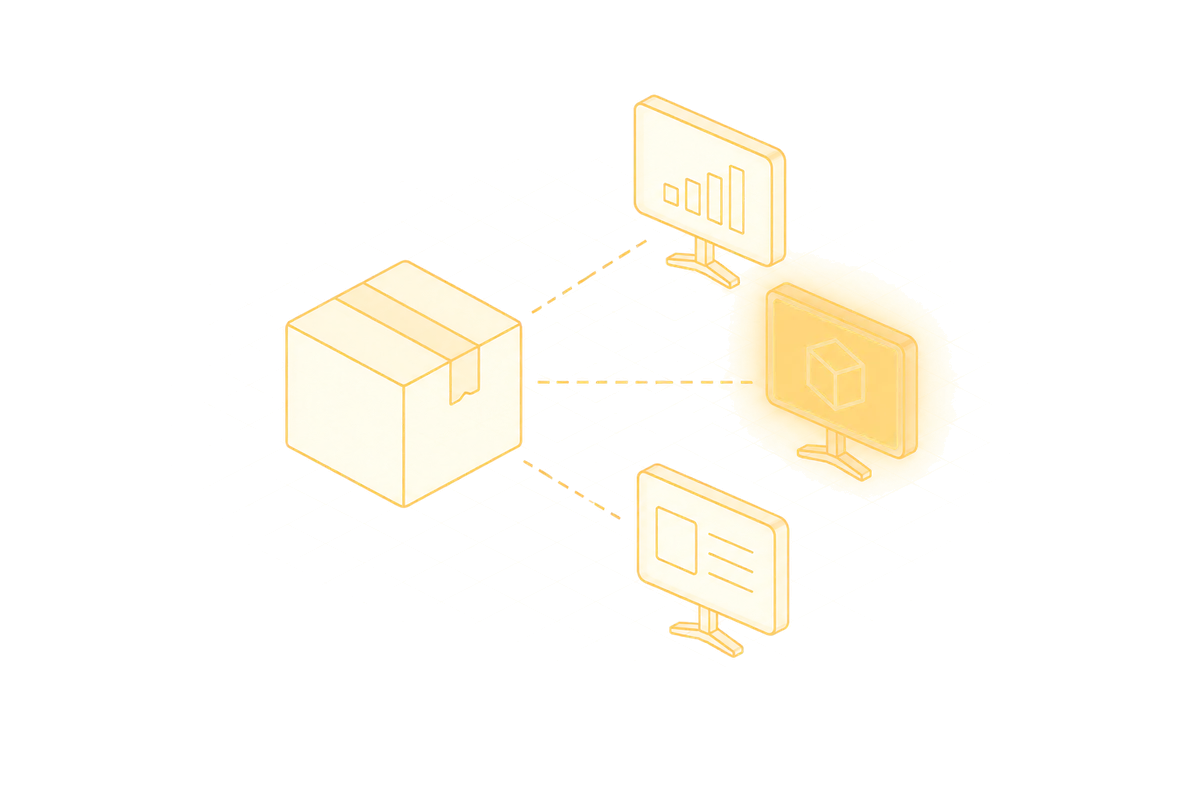
The same customer, job or order is typed into three systems, and none of them agree by Friday.
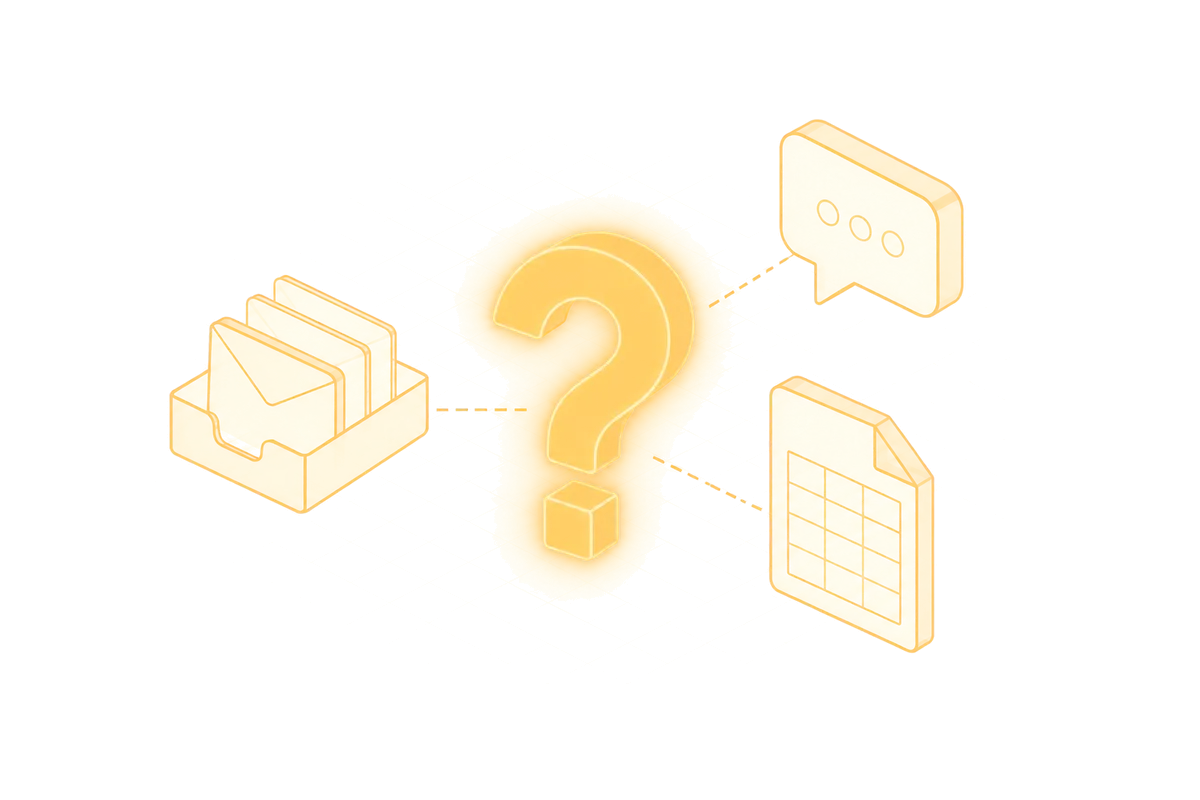
The answer to “where is that job?” lives in someone’s inbox, a WhatsApp group or a spreadsheet only one person understands.
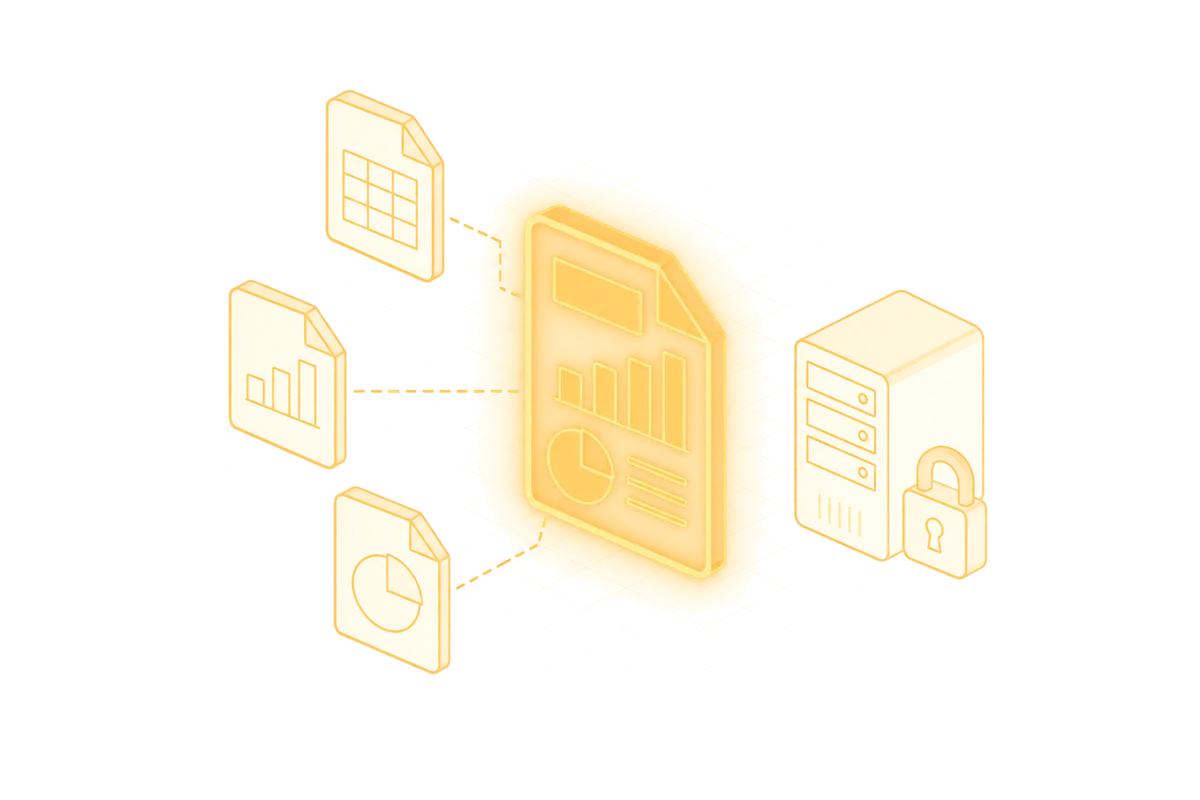
Every month-end report is assembled by hand, and the old system holding years of records cannot simply be switched off.
The enquiry becomes the quote, the quote becomes the job, the job becomes the invoice, without anyone re-typing it, with two-way links into the accounts package you already use.
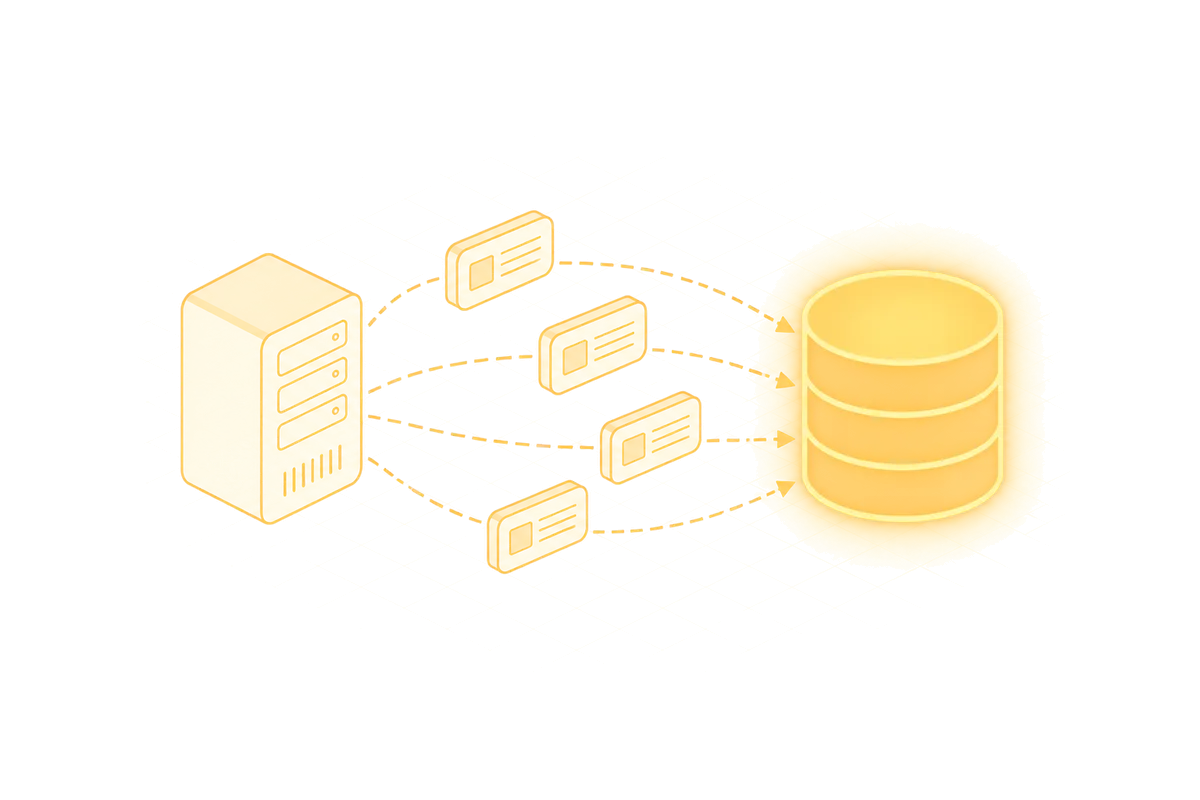
Extraction and migration from any SQL database or spreadsheet into the new system, with the source records kept for audit.

Phased, fixed-price delivery (8 to 12 weeks for a full operations rebuild), role-based access, audit logs and a documented handover, so you own the code and the data.
Every document, owner and status for a single job sits on one timeline, so nobody has to ask where it is.
| Step | Date | Detail | Status |
|---|---|---|---|
| Enquiry | 3 Feb 2026 | Kanturk site visit | Logged |
| Quote Q-1042 | 9 Feb 2026 | €18,400 | Accepted |
| Job J-0317 | 2 Mar 2026 | Crew A, Mallow | In progress |
| Purchase order | 4 Mar 2026 | €6,250 | Received |
| Variation | 19 Mar 2026 | €1,180 | Awaiting approval |
| Invoice INV-2209 | 27 Mar 2026 | €19,580 | Due in 5 days |
A 30-minute scoping call with the engineers who would build it: who you are, what you run today and where it hurts.
We map how work actually moves through your business, the data that needs to come across and what has to keep running during the switch, then send back a fixed-price scope and a phased timeline.
Work starts against the agreed scope, phase by phase, with a documented handover so you own the code and the data.
Thirty minutes with the engineers who would build it. Pick a time that suits and tell us what you run today.